The net-metering reform that took effect in April 2026 changed two things that matter to a commercial or industrial site: the eligibility threshold moved from 100 kW to 1 MW, and distribution utilities now work to a 10-day approval window.
For most of the last decade, net metering in the Philippines was a residential-scale instrument. A 100 kW ceiling is a large house or a small commercial building; it is a rounding error on a factory roof. Anything bigger had to be structured as a behind-the-meter system sized strictly to on-site consumption, with export either engineered out or given away. That constrained design. It pushed us to undersize arrays on roofs that could carry more, because the economics of exported energy were unattractive or simply unavailable.
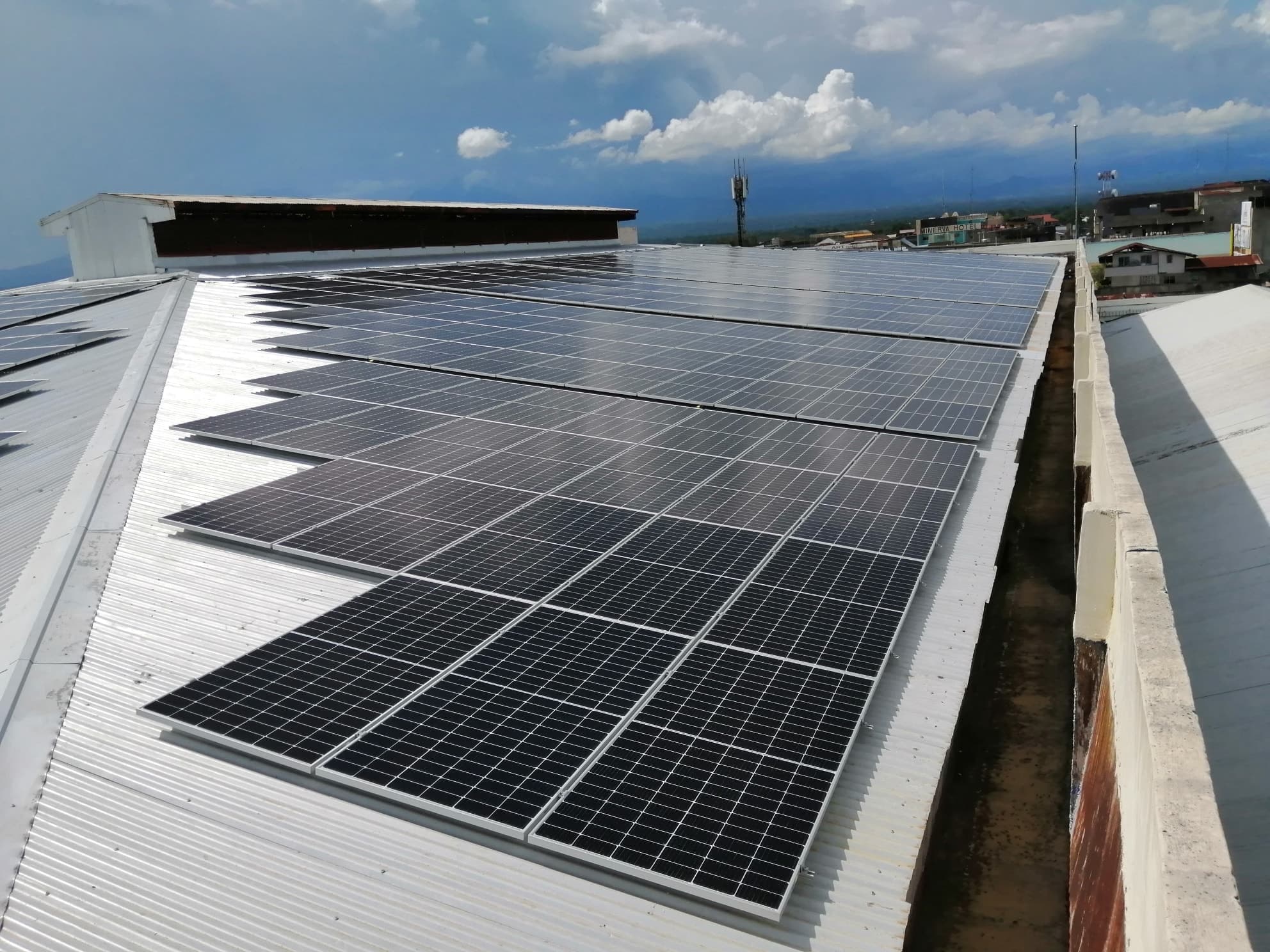
At a 1 MW threshold, a serious C&I site can be designed for the roof rather than for the regulation. In practice that means three things. Arrays can be sized closer to the roof's real capacity instead of being clipped to the daytime minimum load. Facilities with seasonal or shift-dependent production — canneries, schools, agro-processing — stop being penalised for the months when the load drops. And the design conversation moves from "how do we avoid export" to "what is the most productive array this structure can safely carry."
The 10-day approval window is the other half. Interconnection approval has historically been the least predictable item in a project schedule, and an unpredictable permit is priced as risk. A defined window makes it a line item.
Two cautions. The threshold is an eligibility ceiling, not a target — the right system size is still the one your load profile and your roof's structural capacity support. And distribution utilities vary in how quickly they operationalise a new issuance; we plan for the window and confirm with your DU before committing to a date.